Last updated: August 12, 2026
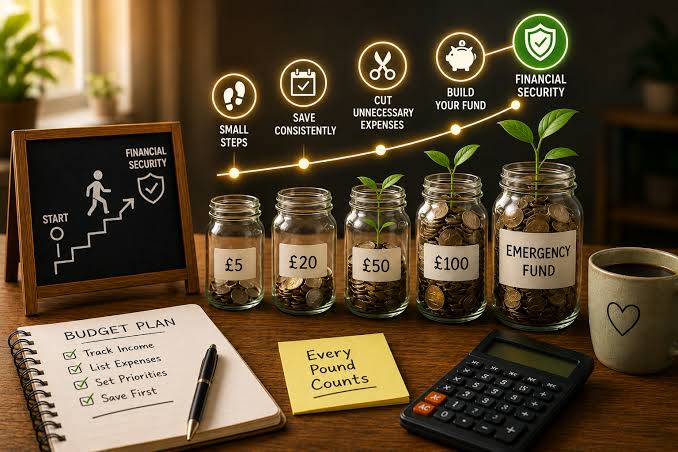
Quick Answer: Starting from zero? For most people, the first emergency fund target is $500 to $1,000. After that, build toward one month of essentials, then three to six months if your income or household situation calls for it. This guide to emergency fund basics first steps — complete guide explains how to choose that number, where to keep it, and how to build it without overcomplicating the process.
Key Takeaways
– A starter emergency fund of $500 to $1,000 is a common first milestone.
– A stronger second milestone is one month of essential expenses.
– A larger cushion of three to six months can make sense for irregular income, dependents, or job instability.
– Emergency funds work best when they are separate, liquid, and easy to rebuild.
– In New Orleans, hurricane season, car dependence, and insurance deductibles make cash reserves especially useful.
A dead battery, a flat tire, or a surprise medical bill can wreck a week fast. Cash is the brake pedal. Not glamorous, but effective.
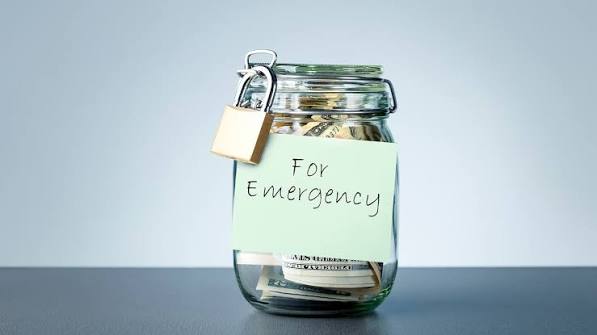
An emergency fund is the cash you keep separate so a surprise car repair, medical bill, job gap, or broken appliance does not turn into a credit card crisis. Staring at an empty savings account? Start small. Honestly, I would begin with one target that stops the next emergency from becoming debt. That is the core of emergency fund basics first steps — complete guide, and it starts with a number you can actually save.
Emergency fund basics: what it is, what it is not
An emergency fund is not a vacation fund, a house down payment, or money you plan to invest next month. It is a buffer for real, urgent, and usually unpleasant expenses.
For a lot of people, that line gets blurry. I think that distinction matters because one account is often asked to do four jobs, and then nobody is surprised when it fails. Confusing. Frustrating, too.
Keep it separate. Simple enough.
A practical emergency fund is generally easy to access quickly, but it should not sit in the same place as money you spend every day.
A true emergency fund should usually be:
- Easy to access quickly
- Kept separate from daily spending
- Used for urgent needs, not wants
- Rebuilt after you use it
A few examples of emergency expenses:
- A layoff or cut in work hours
- A car that will not start and needs immediate repair
- A medical bill that cannot wait
- A furnace, air conditioner, or water heater failing at the worst time
- A last-minute trip for a family crisis
A few things that are not emergencies:
- A sale on a new phone
- Holiday gifts
- A planned vacation
- Furniture upgrades
- Routine car maintenance you knew was coming
That last point trips people up. Oil changes, annual insurance premiums, dentist visits, and replacement tires are real costs, but they are usually known costs. Usually, I would treat those as sinking funds or budget categories, not emergency fund withdrawals; if you are unsure how to classify a cost, a financial professional or tax professional can help you decide based on your situation. The Consumer Financial Protection Bureau also distinguishes between emergency savings and planned expenses in its savings guidance: https://www.consumerfinance.gov/consumer-tools/savings/
If you remember one sentence from this article, keep this one: an emergency fund is there to buy you time and options.
How much money should go in your emergency fund first?
The honest answer is that the right amount depends on your life, not on a neat rule.
Generic advice loves to jump straight to “three to six months of expenses.” Fine — but incomplete. If you are just starting, that target can feel so huge you never begin. That math stops working fast.
I prefer a staged approach, and the best starting number is often smaller than people expect. The Federal Reserve’s emergency savings surveys have repeatedly shown that many households would struggle with an unexpected expense, which is one reason a starter fund matters before a larger one: https://www.federalreserve.gov/consumerscommunities/shed.htm
Stage 1: Start with a starter fund
A starter emergency fund is a small amount that covers the kinds of shocks most likely to hit first. For many people, the first milestone is somewhere around one to two weeks of essential expenses, or a small round number that feels reachable.
Why start small? Because the first emergency fund is partly financial and partly behavioral. You are building the habit of saving and keeping the money untouched.
Stage 2: Build toward one month of essentials
Once the first buffer is in place, aim for a larger cushion that can cover essential bills if your income pauses. Essential expenses usually mean:
- Housing
- Utilities
- Groceries
- Transportation
- Minimum debt payments
- Basic insurance premiums
- Childcare or other unavoidable work-related costs
Here is where the fund becomes much more useful. It buys time if your income dips, your hours change, or you need to make a hard decision without panic.
Stage 3: Move toward three to six months, if your situation calls for it
A larger emergency fund can make sense if your income is irregular, your industry is unstable, you are the only earner, or you have dependents. If you work in a job market that swings hard with the season, a larger cushion may be worth more than a slightly higher return elsewhere.
I would not tell everyone to race to six months before doing anything else. If you have high-interest debt, no starter fund, and a shaky cash flow, the right first step is usually to get some breathing room in cash while also paying down the most expensive debt.
A simple way to decide your first target in New Orleans and nearby areas
Since this is a local service page, I want to keep this practical for readers in New Orleans, Metairie, Kenner, Gretna, and across the Westbank and Northshore commute corridor. Around here, the emergency fund question rarely looks like the national versions.
Why? Because money needs can hit fast and stack up:
- Summer heat can put pressure on home cooling and car batteries.
- Hurricane season can create temporary income gaps, evacuation costs, hotel stays, and insurance deductibles.
- Flooding and heavy rain can mean repair bills, mold cleanup, or transportation problems.
- Service work, hospitality, tourism, construction, and port-related jobs can bring uneven hours.
If you live or work in southeast Louisiana, I would think about your emergency fund in terms of real local disruptions, not just textbook budgeting. A renter in Mid-City with stable salaried income may need a different target than a rideshare driver in Jefferson Parish or a seasonal worker juggling variable shifts from the Warehouse District to Slidell.
That local reality also affects how urgent it is to keep some cash outside the stock market. When weather, insurance, and work schedules can all create pressure at once, liquidity matters.
Emergency fund first steps: what to do this week
If your emergency fund does not exist yet, the first steps should be simple enough that you can repeat them.
1. Pick one account and keep it boring
I would use a separate savings account, not the same account you use for groceries and bills. The account should be easy to reach in a real emergency, but not so easy that you dip into it for dinner out.
A decent setup is:
- One checking account for spending
- One savings account for emergencies
- Optional extra accounts for short-term goals
If your bank offers automatic transfers, that can help. If not, manual transfers still work as long as you make them on a schedule.
The Consumer Financial Protection Bureau recommends keeping savings in a separate place from everyday spending so the money is less likely to disappear into routine purchases: https://www.consumerfinance.gov/about-us/blog/savings-goals-start-small-grow-strong/
2. Choose a first target you can actually hit
Your first goal should feel demanding but possible. Too large, and you quit. Too tiny, and it vanishes before it protects you.
A few ways to set the first target:
- A fixed dollar amount you can explain in one sentence
- One month of essential bills if your cash flow is stable
- A starter amount for people with irregular income
- A number tied to one common problem, like a car repair or a hotel night during a storm-related evacuation
I would rather see someone save $500 consistently than chase a perfect target for two years and save nothing. The CFPB also suggests starting with small, concrete savings goals rather than waiting for a perfect plan: https://www.consumerfinance.gov/about-us/blog/savings-goals-start-small-grow-strong/
3. Automate the transfer if you can
This is one of the few places where automation really helps. Even a small automatic transfer can build the fund without relying on willpower.
Set it for:
- Payday
- The day after your rent or mortgage clears
- The day after a bill batch clears
- A weekly transfer, if that fits your pay cycle better
If your income is irregular, automate a percentage instead of a fixed dollar amount when possible.
4. Put new windfalls into the fund
Tax refunds, cash gifts, bonuses, overtime spikes, and side-hustle income can help your fund move faster. I would not put all extra money there if you also have expensive debt, but emergency savings should get a share of any windfall until you have a cushion.
5. Protect the fund from “almost emergencies”
This is where many people lose momentum. Pulling money for ordinary expenses makes the fund shrink fast and stop feeling useful.
To avoid that, define the use case in advance:
- Health issue
- Job loss
- Urgent repair
- Urgent travel for a family emergency
- Anything that would cause debt or missed essentials if you did not cover it
That definition keeps the account from becoming a second checking account.
Where to keep an emergency fund in New Orleans: practical choices and trade-offs
There is no perfect account type, only a best fit for your situation.
Savings account
This is the most common choice. It is simple, liquid, and easy to understand.
Pros:
– Easy access
– Low risk to principal
– Simple for beginners
Cons:
– Usually low interest
– Easy to raid if linked to your everyday spending too closely
Money market account
These can work well if you want a little more structure and still need access.
Pros:
– Often easy to access
– May offer check-writing or debit access
– Can feel more separate than a basic savings account
Cons:
– Terms vary by institution
– Rates and rules can change
– Not always better than a plain savings account
Cash at home
I would use this only in a limited way, if at all. A small amount of cash can be handy for short disruptions, but a large stash at home brings obvious risks: theft, fire, flood, and simple temptation.
In the New Orleans area, the flood risk deserves special attention. A home-based stash can be damaged or lost just when you need it most.
Investments
I would not treat stocks, mutual funds, or retirement accounts as your emergency fund. Those assets can lose value right when you need money, and withdrawals can create taxes or penalties. If you are considering using an investment account for short-term safety cash, I would consult a financial professional first and review the account rules carefully.
That does not mean investments are bad. It means they have a different job.
Emergency fund costs and savings targets in New Orleans, Metairie, and Kenner
A local guide should help you turn broad advice into a real number. Here is a practical way to think about emergency fund targets for the New Orleans metro area.
These are planning ranges, not quotes or guarantees. Your actual numbers will depend on your rent or mortgage, car situation, family size, insurance, and work stability.
| Emergency fund need | What it may cover | Practical local target |
|---|---|---|
| Starter buffer | Small car repair, prescription, unexpected copay, short work gap | A few hundred dollars to start |
| One-month essentials | Rent, utilities, groceries, transportation, minimum payments | One month of essential bills |
| Weather disruption buffer | Hotel, evacuation fuel, food, extra childcare, missed work time | A separate cushion on top of the starter fund |
| Job-loss cushion | Multiple weeks or months of core expenses | Three to six months of essentials, depending on income stability |
For someone in New Orleans East or Gentilly dealing with a car-dependent commute, transportation problems can be a big part of the emergency picture. In Metairie or Kenner, that may mean immediate repair cash because work and school schedules do not stop when the car does. In Gretna or parts of the Westbank, flood and storm recovery costs can shift the priority toward a more accessible cash reserve.
I also think it is smart to leave room in your planning for insurance deductibles. In this region, homeowners, renters, flood, and auto coverage can all leave you with out-of-pocket costs after a claim. An emergency fund that ignores deductibles is not fully prepared.
Common mistakes that make emergency funds fail
A lot of money advice sounds good until you try to live with it. These are the mistakes I would watch for.
Treating the fund like a challenge instead of a tool
Some people save a number just to say they did it, then feel relieved and never rebuild it after a withdrawal. That leaves them exposed the next time.
Saving too much too soon while carrying expensive debt
If you have a tiny buffer and very high-interest debt, it may make sense to split your effort between both. Otherwise you can end up with a large emergency fund while expensive balances keep growing.
I would not give that advice lightly. There is no one-size-fits-all answer. If your anxiety is high and you have no cushion at all, a starter fund may come first. If your income is stable and the debt interest is punishing, debt payoff may deserve more of the extra cash after the starter buffer is in place. A financial professional can help you sort that out.
Keeping the money too easy to spend
If your emergency fund is in the same app as your spending money, the mental wall is weak. Separate accounts help.
Waiting for the perfect amount
This is one of the most common reasons people never begin. A fund that starts small is still better than a fund that exists only in theory.
Not rebuilding after use
If you use the money, the fund has done its job. The next job is to refill it.
How to build an emergency fund if your income is uneven
This section matters a lot in New Orleans because many readers here do not have smooth, salaried pay. If you work tipped shifts, contract jobs, seasonal labor, gig work, or a role with variable hours, a fixed monthly savings goal can be too rigid.
What I would do instead:
Save by percentage, not just by dollar amount
Put away a percentage of each payment you receive, even if the payment size changes. That keeps the habit alive in lean months and busy ones.
Build around your best months
If your income spikes during festival season, tourism surges, holidays, or peak construction periods, use some of that money to bulk up your emergency fund before the slower stretch arrives.
Separate “slow month” money from true emergency money
A slow month is not always an emergency.
But if your income is irregular, you may need a cash buffer just to smooth out timing. That is a related but slightly different job. I like to keep the labels clear so one fund does not get blamed for failing to do two jobs at once.
Keep spending friction low
If your income changes often, you need fast access to cash. But you also need to avoid spending the fund casually. That balance is why a simple savings account often works better than an investment account for this purpose.
Red flags when someone gives emergency fund advice
I trust emergency fund advice less when it ignores real life. Watch out for these red flags:
- It tells you to save a large number before you start
- It assumes your income is steady and predictable
- It treats debt, savings, and investing as if every reader can solve them in the same order
- It ignores insurance deductibles and car dependence
- It never explains when to use the money and when not to
I also get cautious when advice sounds universal but never mentions the trade-off. For example, keeping too much cash in savings can mean missing investment growth over time. On the other hand, investing money you may need in a crisis can force you to sell at the wrong time. Honest planning lives in that tension.
How to rebuild your emergency fund after you use it
Using the fund is not failure. Failing to rebuild it is where the trouble starts.
I would rebuild in this order:
- Replace the amount used as quickly as your budget allows
- Resume automatic transfers
- Pause nonessential goal spending if needed
- Use windfalls to refill faster
- Recheck whether the original target is still enough for your situation
If the emergency was large, you may need to adjust the target. A single repair bill can reveal that your previous cushion was too small for local realities like storm season, commuting distance, or family obligations.
New Orleans emergency fund timing: when to start and when to add more
There is no special season to begin. Start now if you can. But there are times in southeast Louisiana when I would be extra careful about leaving your cushion thin.
Before hurricane season
A stronger cash position before storm season can help with evacuation costs, hotels, fuel, food, lost work time, and home repairs. Even if your home is well prepared, your routine may not be.
Before a job change
If you are changing jobs, moving between contract work, or expecting a seasonal slowdown, that is a good time to raise your cash buffer.
Before a big deductible resets
If you know an insurance cycle is coming or you have recent claims history, I would make sure some cash is available for out-of-pocket costs.
Before a major appliance ages out
Older refrigerators, AC systems, water heaters, and cars can fail on their own schedule, not yours. In a hot, humid region like New Orleans, losing cooling can become an urgent expense fast.
Local service areas and why cash matters across the metro
Readers in Uptown, Mid-City, the Irish Channel, Tremé, Algiers, Lakeview, Chalmette, Harvey, Marrero, Westwego, and Slidell may face different day-to-day budgets, but the value of a cash cushion is the same: it buys time.
That is especially true if your daily life depends on a car, a predictable commute, or a job that does not easily absorb missed shifts. A small fund can mean you keep your job while you wait for a repair, or you cover a hotel room rather than sleeping in a difficult situation after a storm-related evacuation.
I